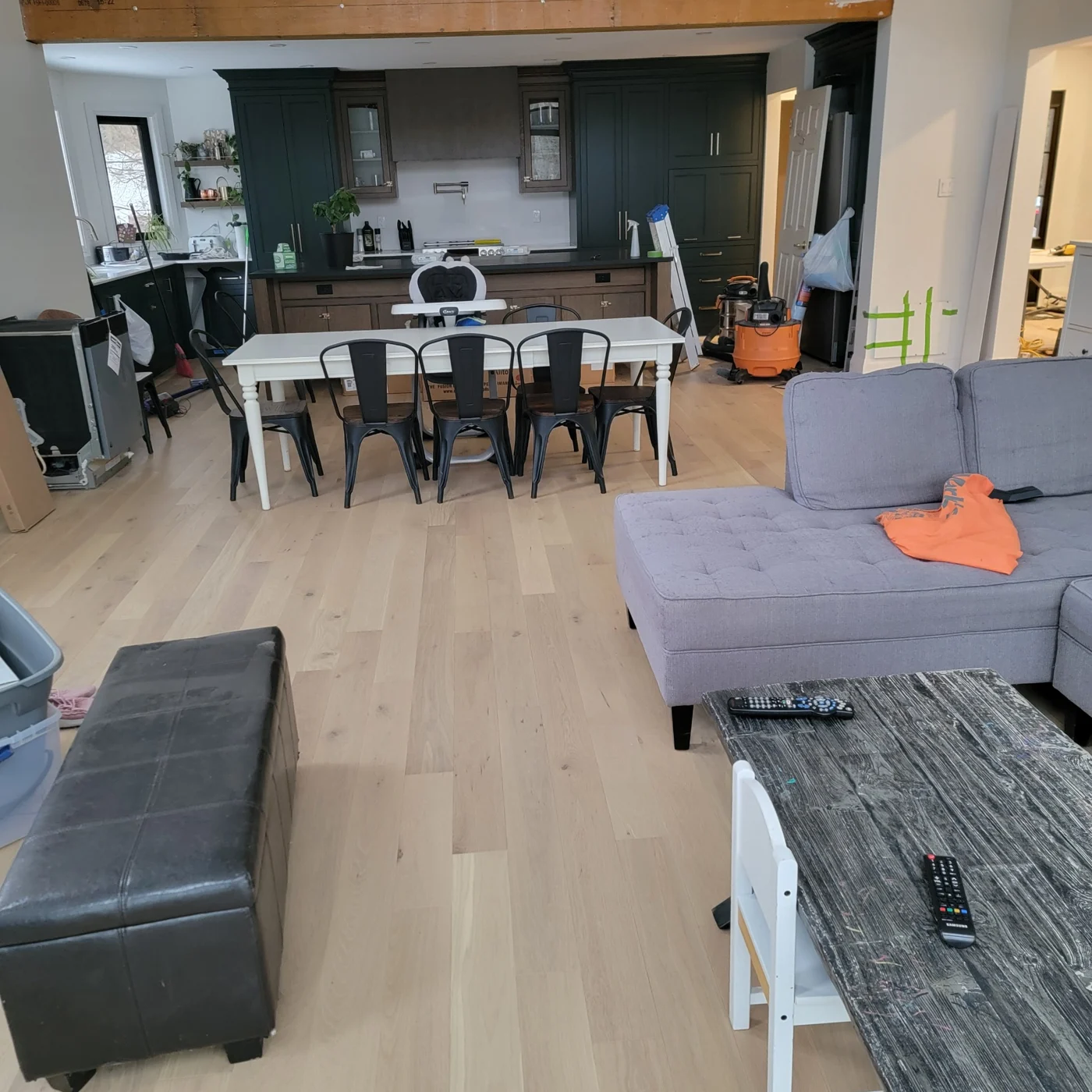
Nail-Down Engineered Hardwood with Glue Assist: How It Works
How engineered hardwood is installed with nails and glue over a wood subfloor, why glue assist helps wide planks, and how to prepare your home.
Read the guideStraight answers from 27 years of installing floors and building stairs: installation methods, materials, stairs and railings, explained in plain English.
How engineered hardwood is installed with nails and glue over a wood subfloor, why glue assist helps wide planks, and how to prepare your home.
Read the guide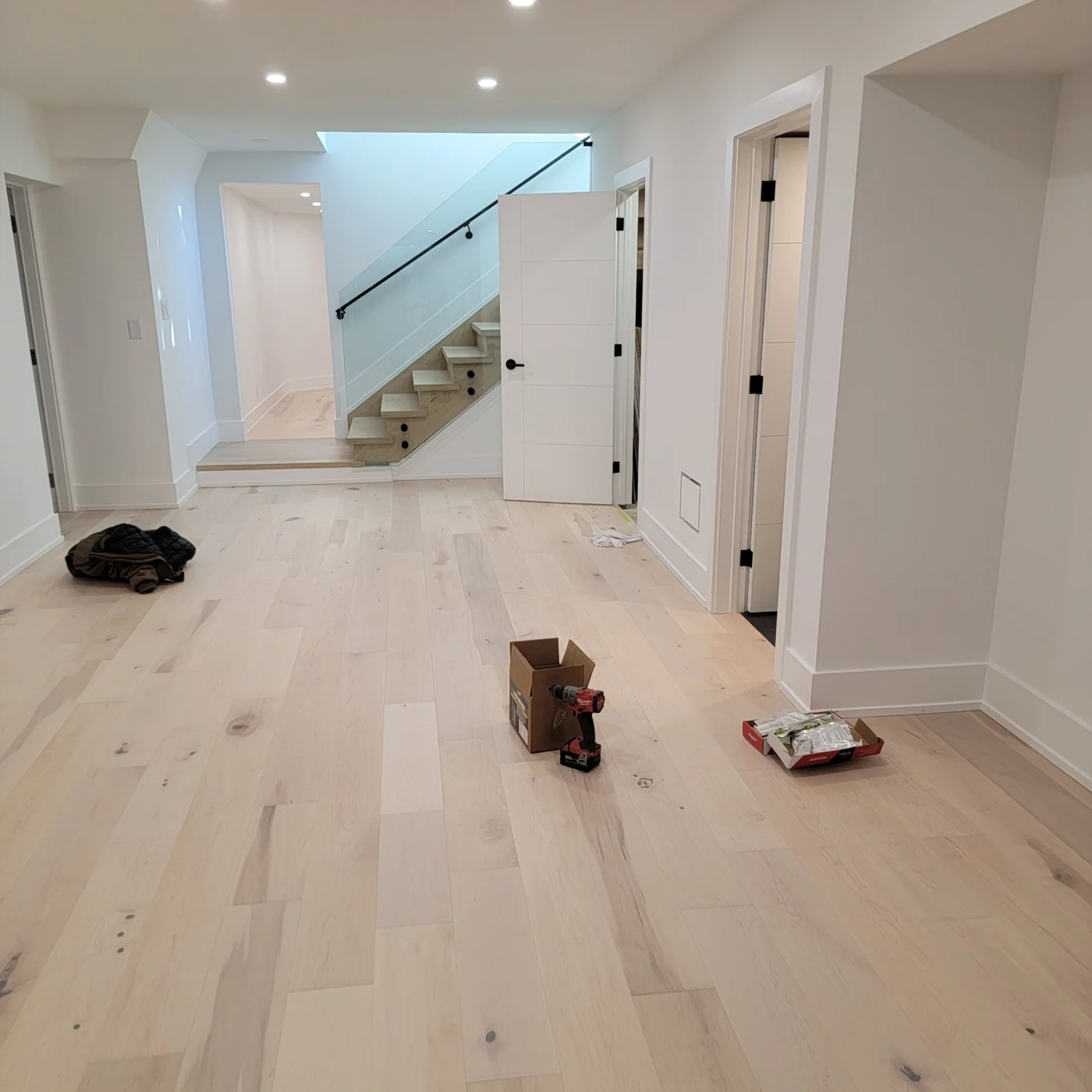
Installing engineered hardwood directly on a concrete slab in basements and condos: moisture testing, levelling, adhesive and what to expect.
Read the guide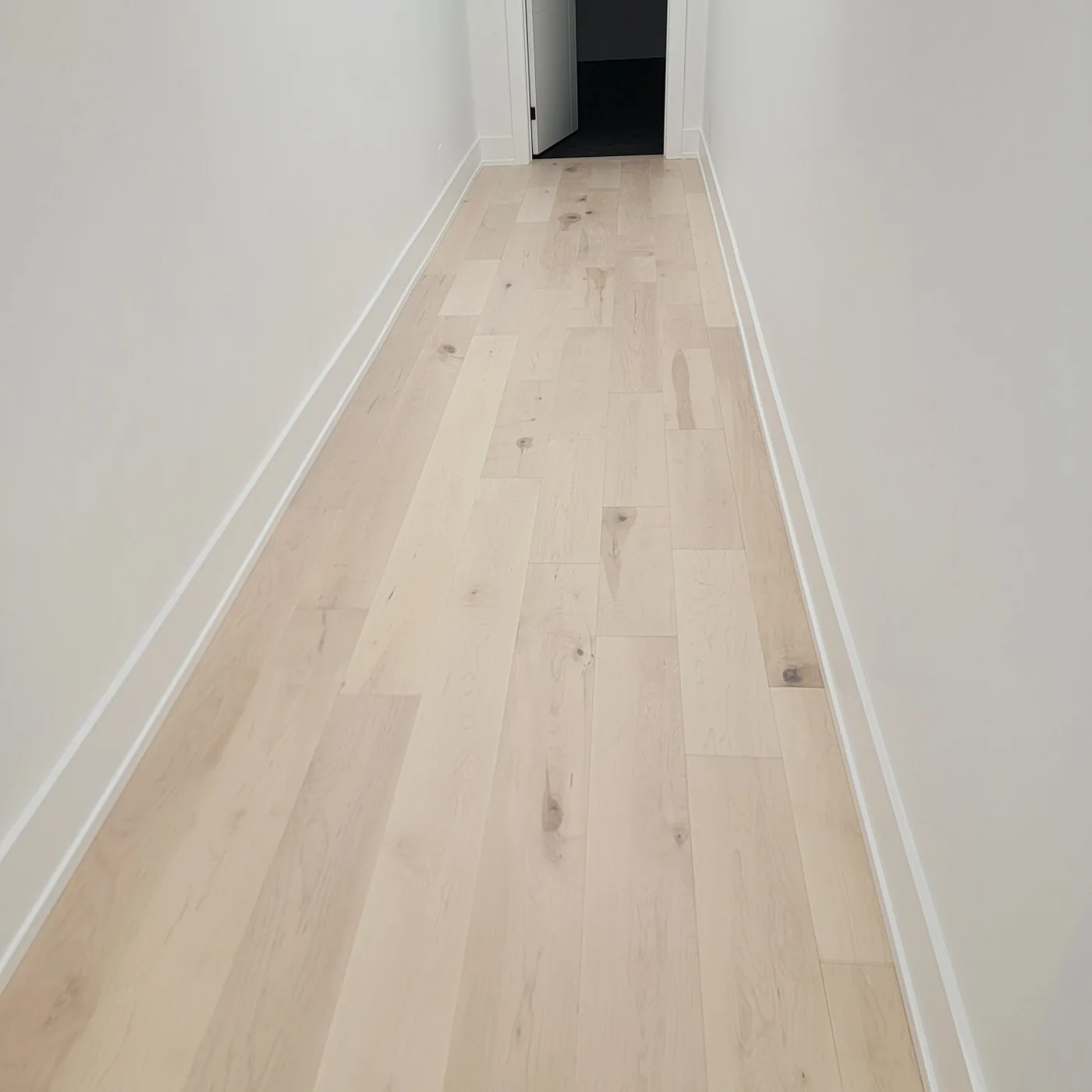
How a floating engineered hardwood floor is installed over underlay, where it works best, and the expansion gaps and transitions it needs.
Read the guide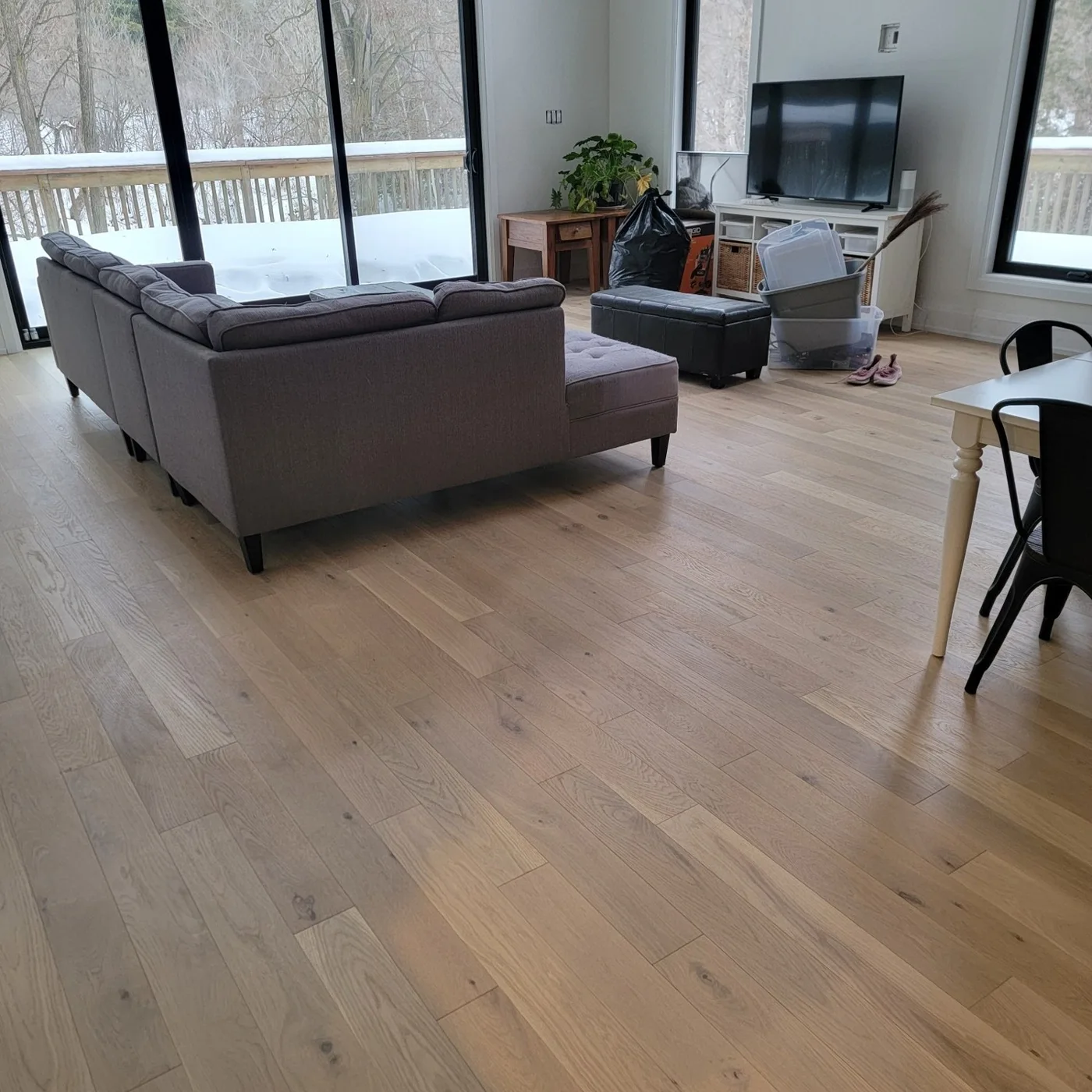
Solid 3/4-inch hardwood nailed over a wood subfloor: acclimation, humidity, subfloor checks, layout and finishing for a floor that lasts decades.
Read the guide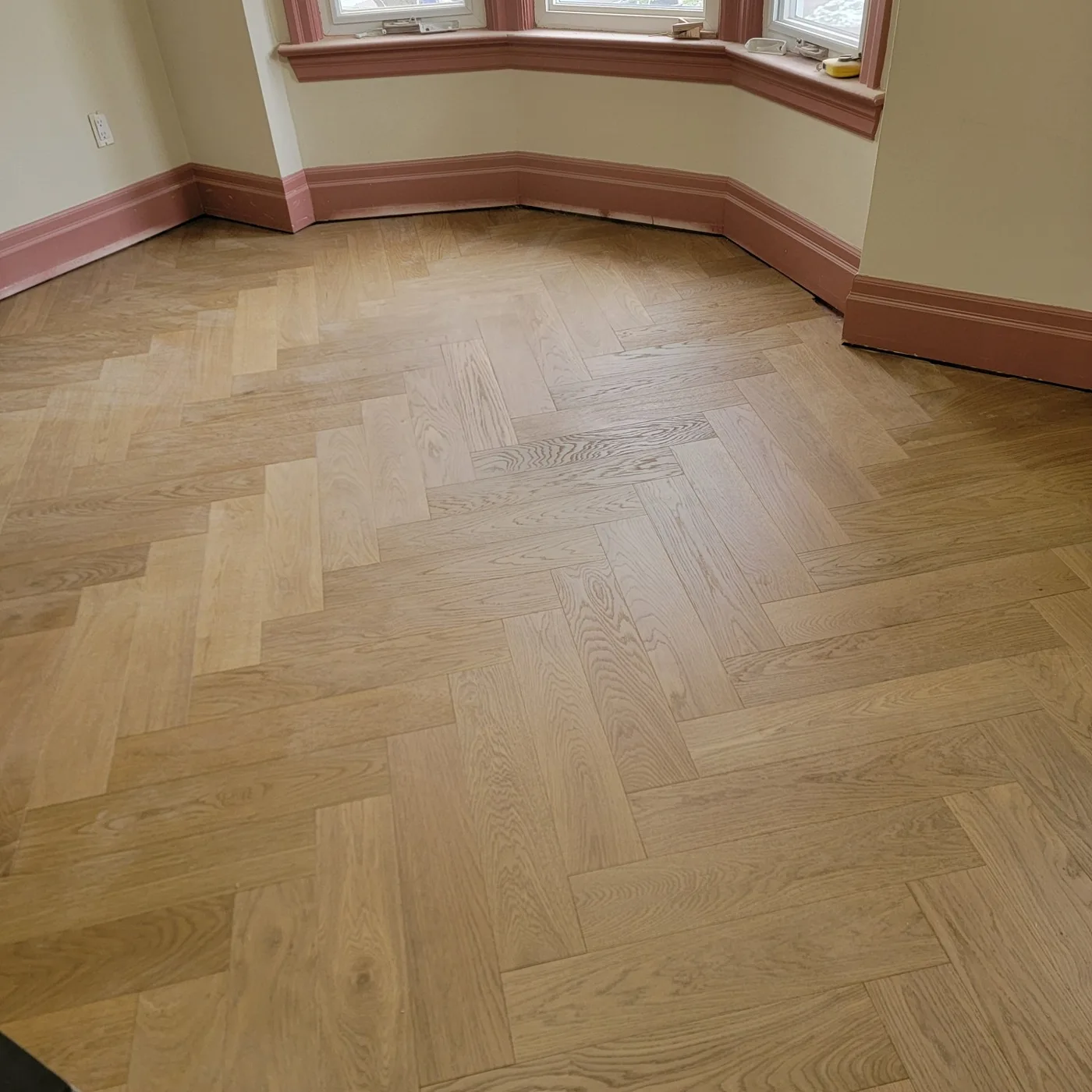
What happens during hardwood floor sanding and refinishing, stain and sheen choices, drying times and when a floor needs repairs first.
Read the guide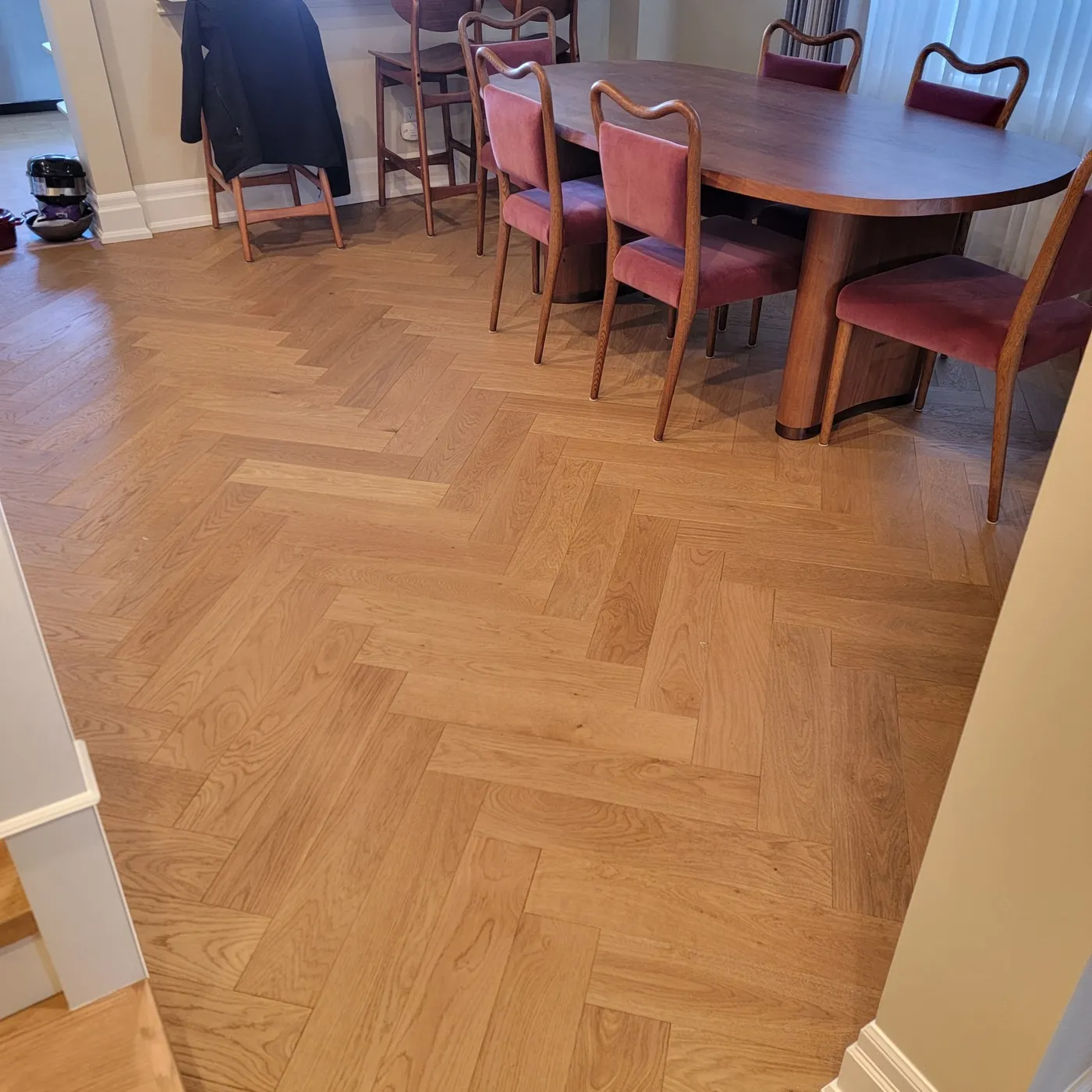
The main factors that change the cost of flooring installation in Toronto and the GTA: material, subfloor, layout, removal, stairs and finishing.
Read the guide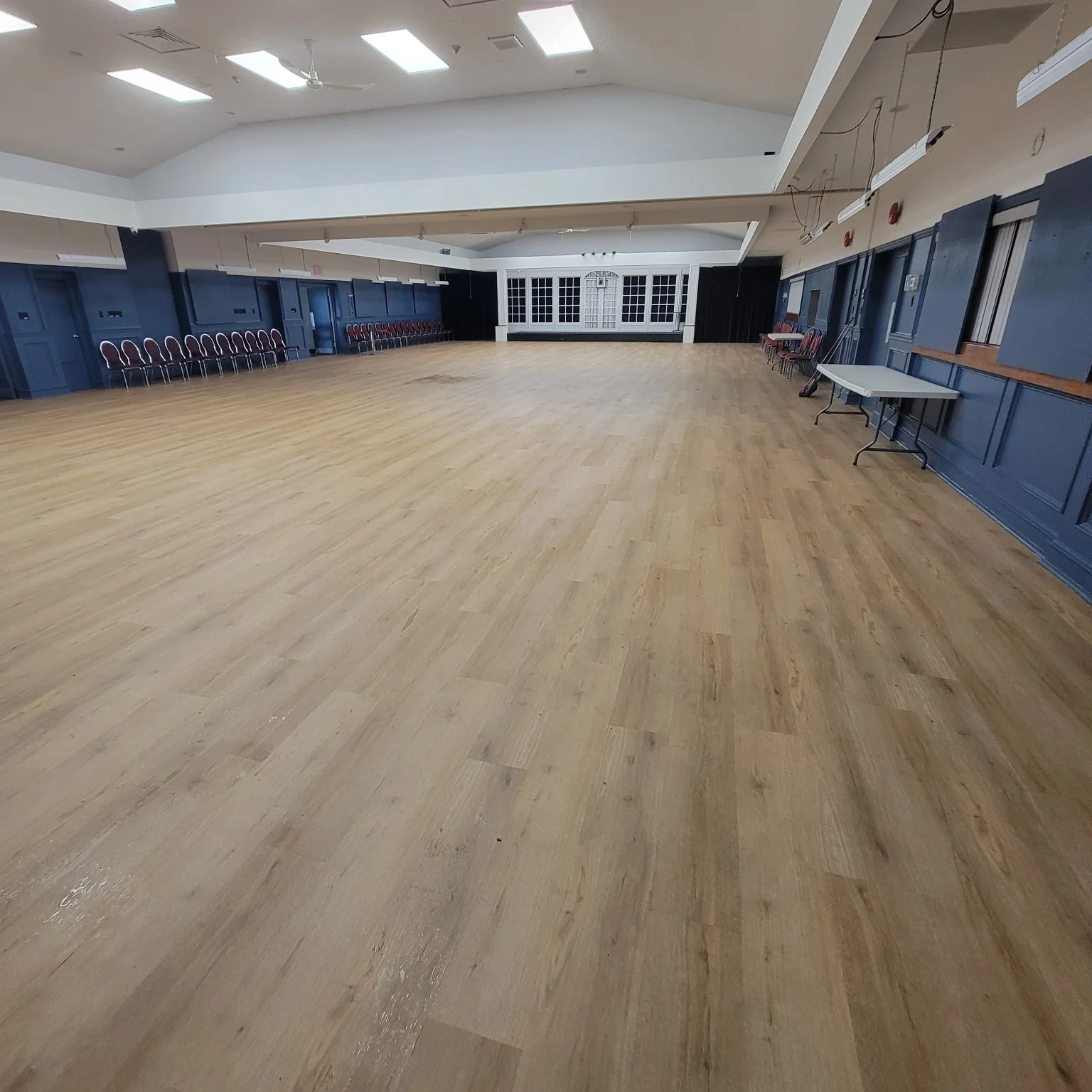
Why glue-down vinyl plank and tile is used in commercial spaces and busy homes, and why subfloor preparation decides how it looks.
Read the guide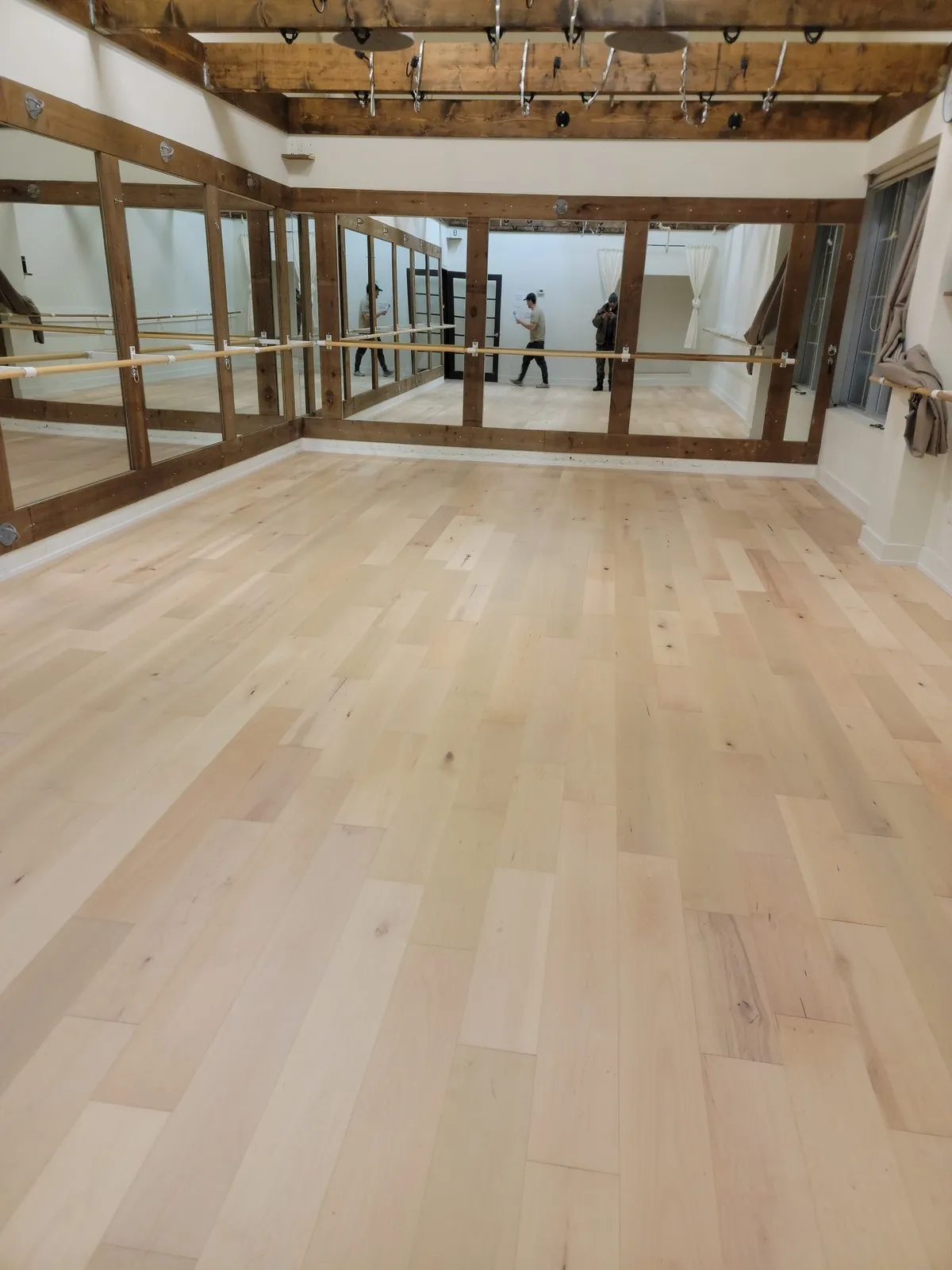
Click-lock luxury vinyl plank installed as a floating floor: underlay, subfloor flatness, gaps and where it works best in homes and condos.
Read the guide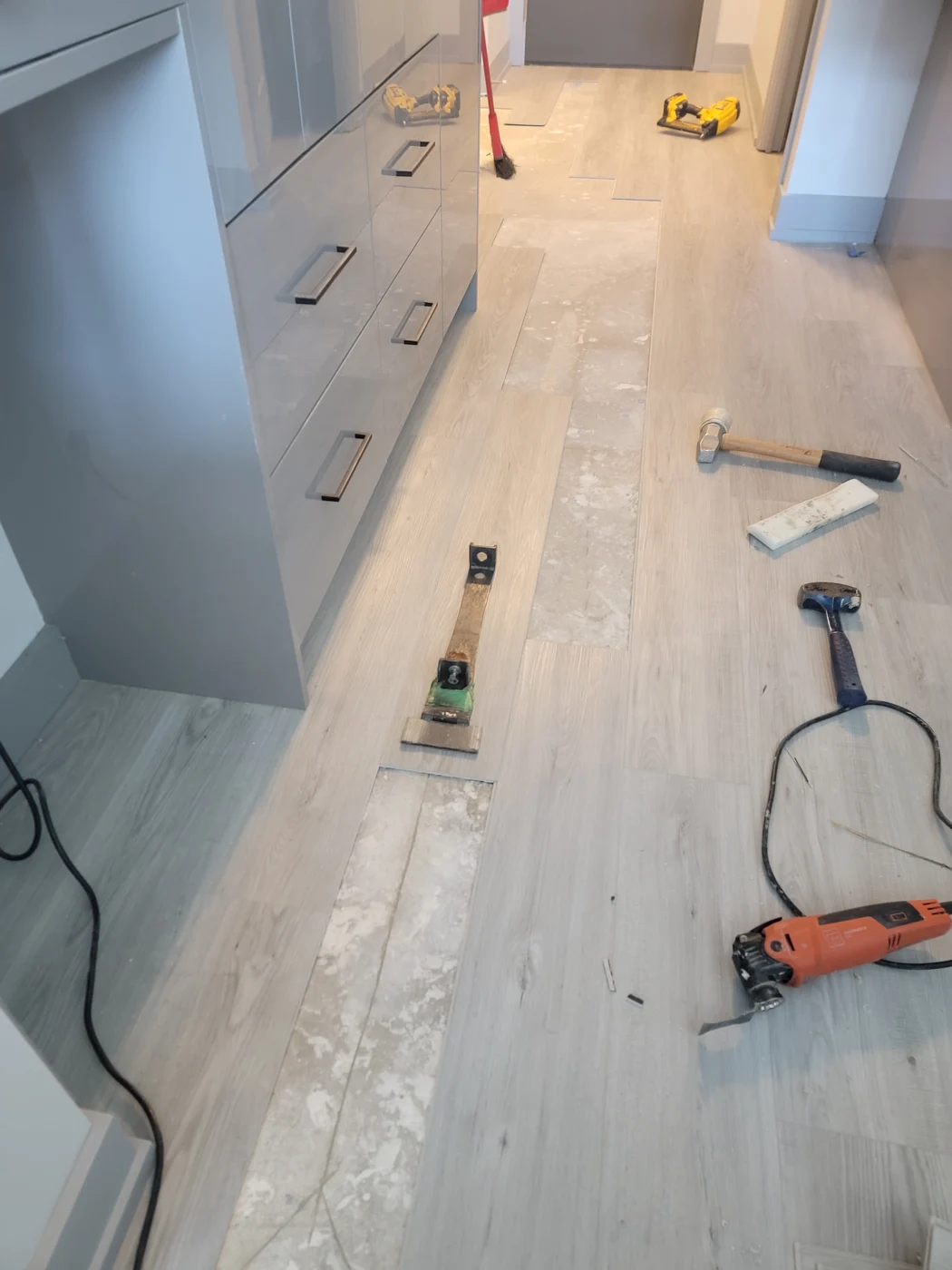
How floating click laminate is installed over underlay, subfloor flatness, expansion gaps, moisture and where laminate is a good fit.
Read the guide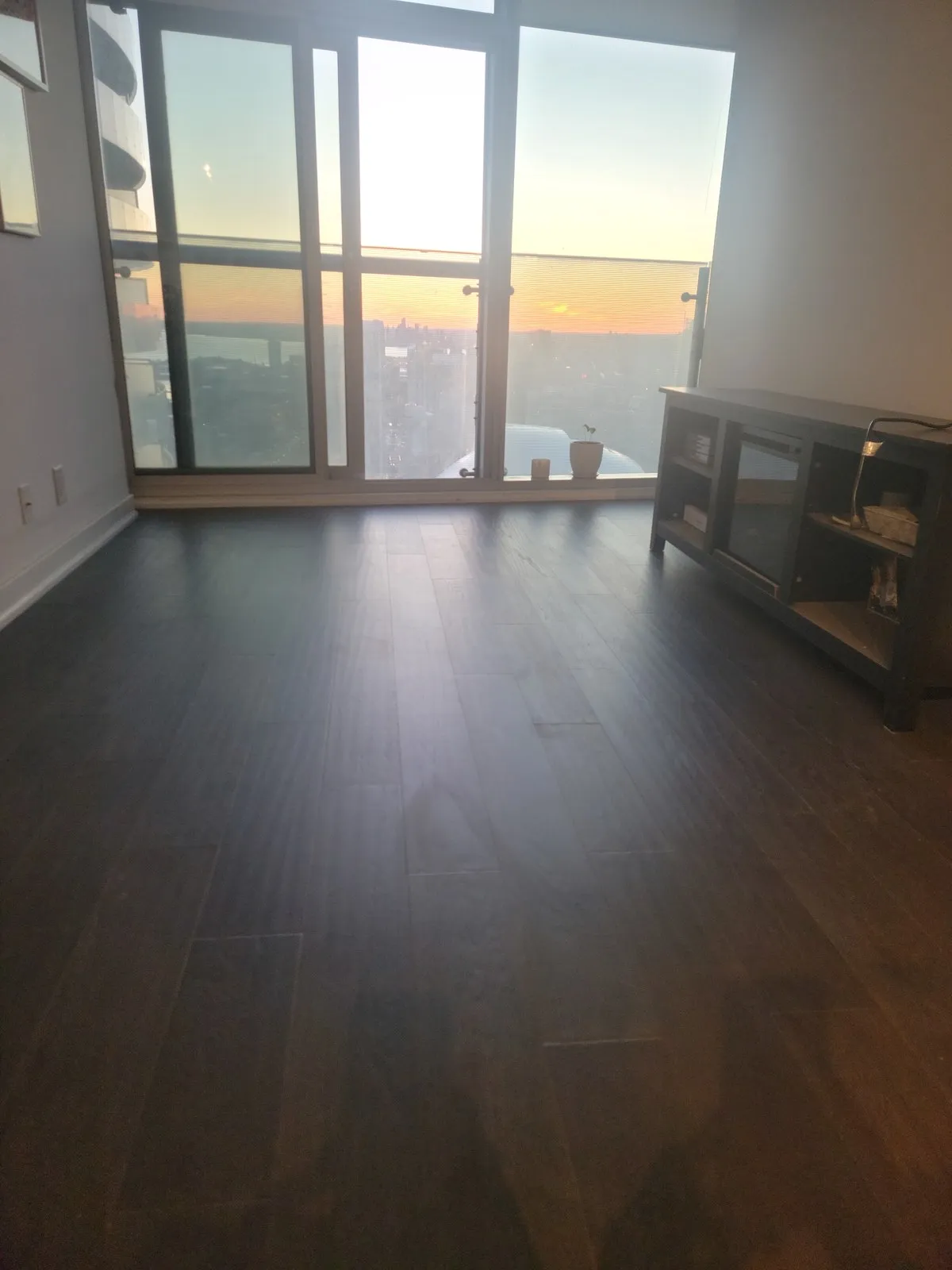
A plain-English comparison of solid hardwood, engineered hardwood, luxury vinyl and laminate: where each works, durability, water and refinishing.
Read the guide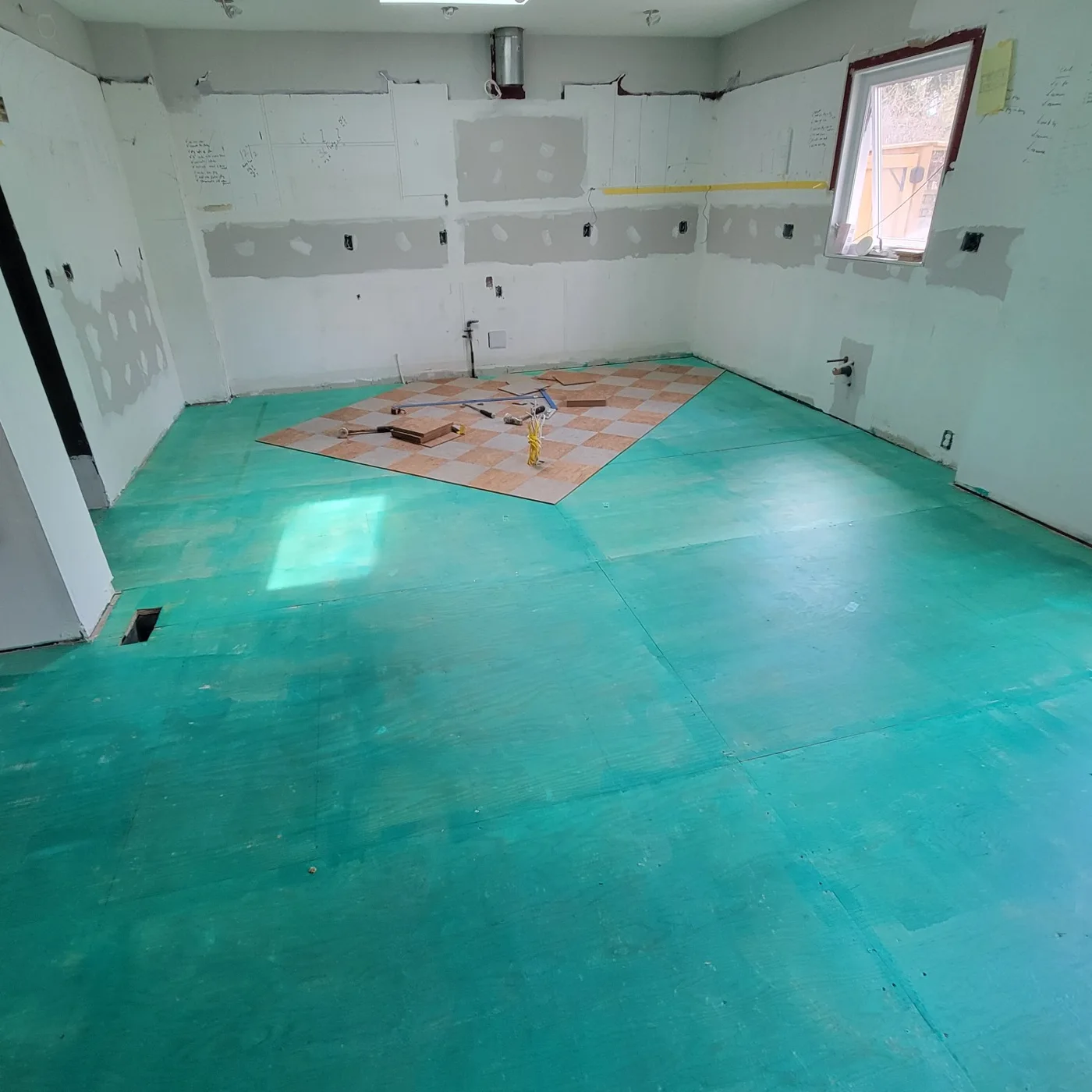
What double glue-down installation is, why condos ask for cork sound underlay, and how engineered hardwood or vinyl is glued over cork.
Read the guide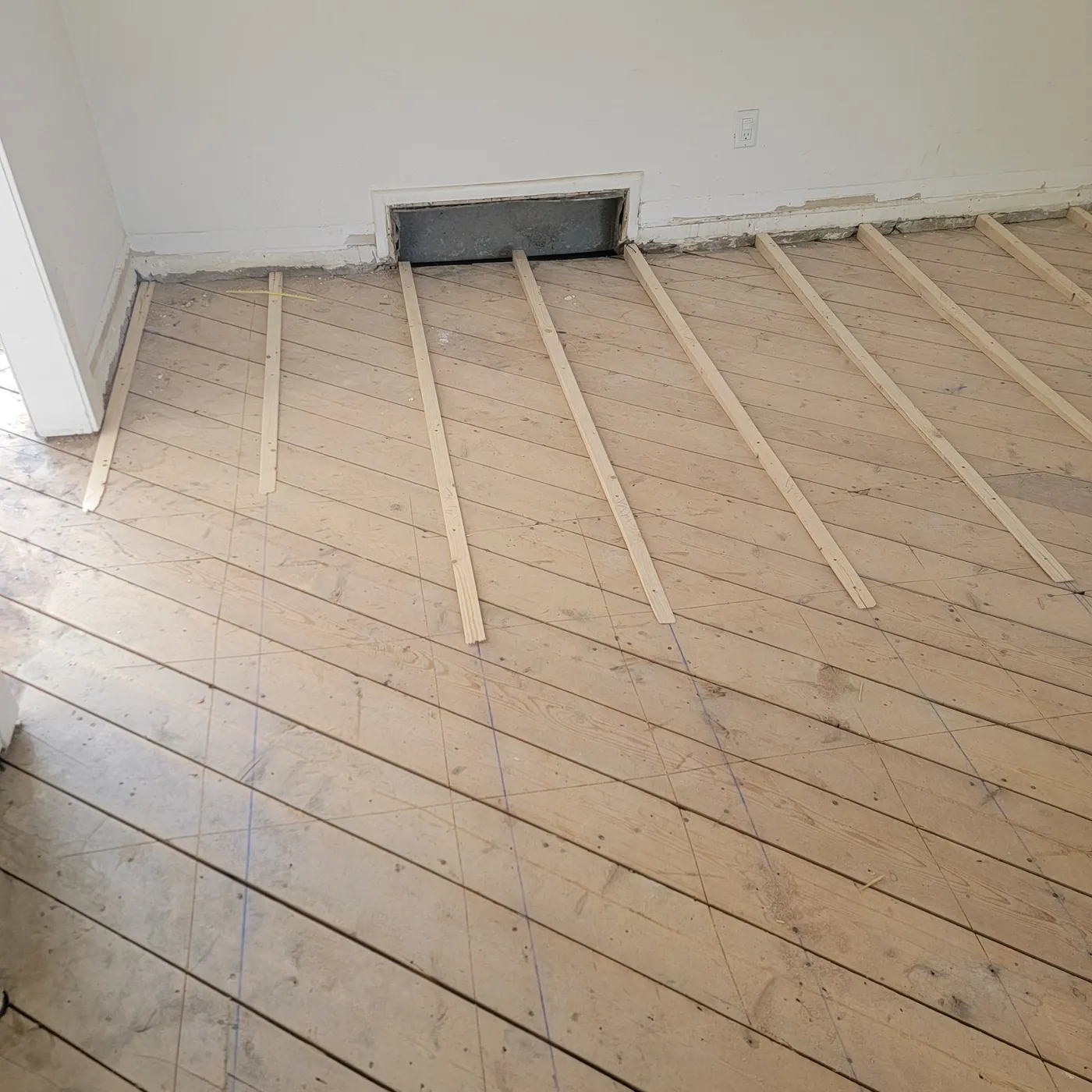
Why the subfloor is screwed down, levelled and repaired after carpet or old floors come out, and how it prevents squeaks and hollow spots.
Read the guide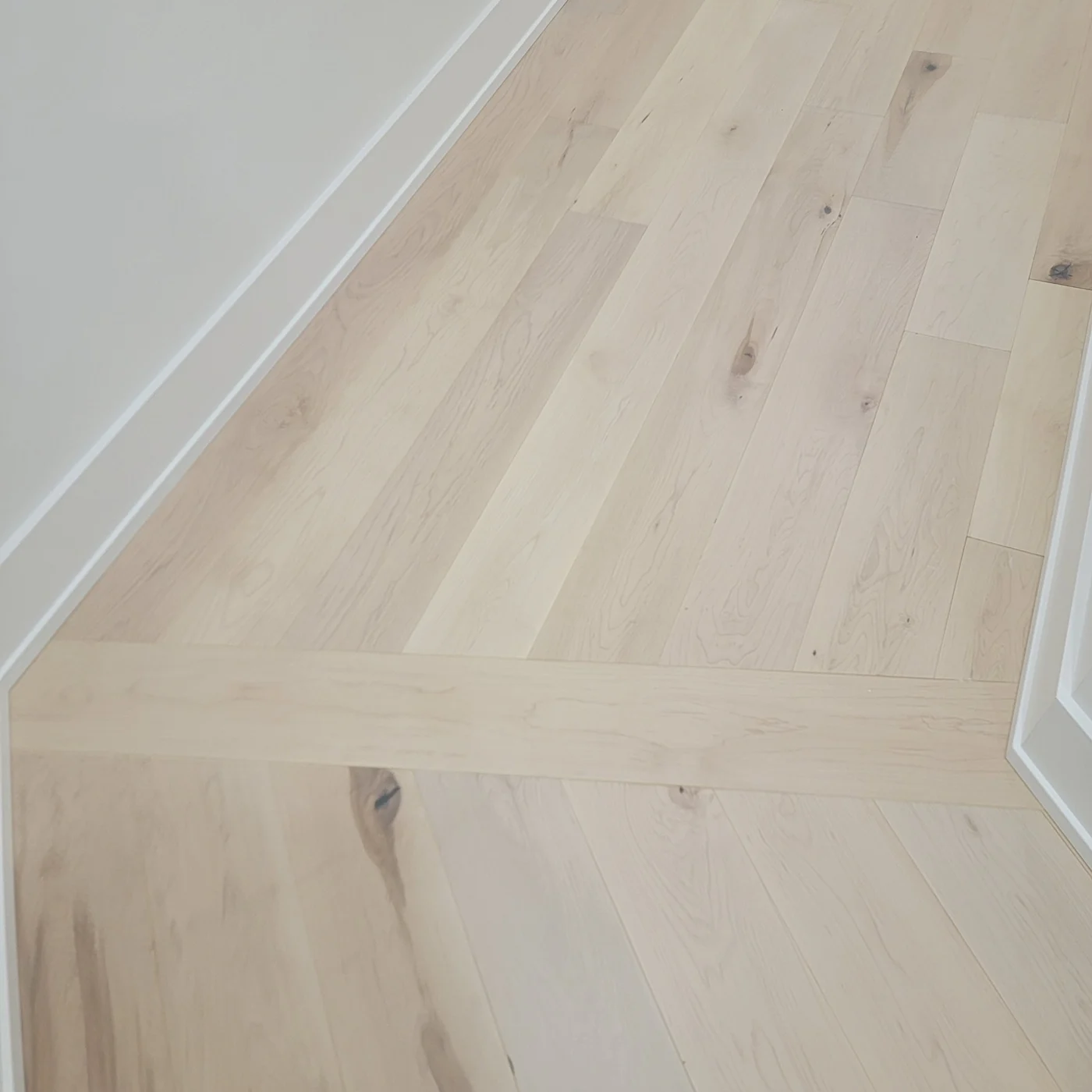
How a wood sleeper subfloor is built over a concrete slab to level a floor, create space for insulation and allow nail-down hardwood.
Read the guide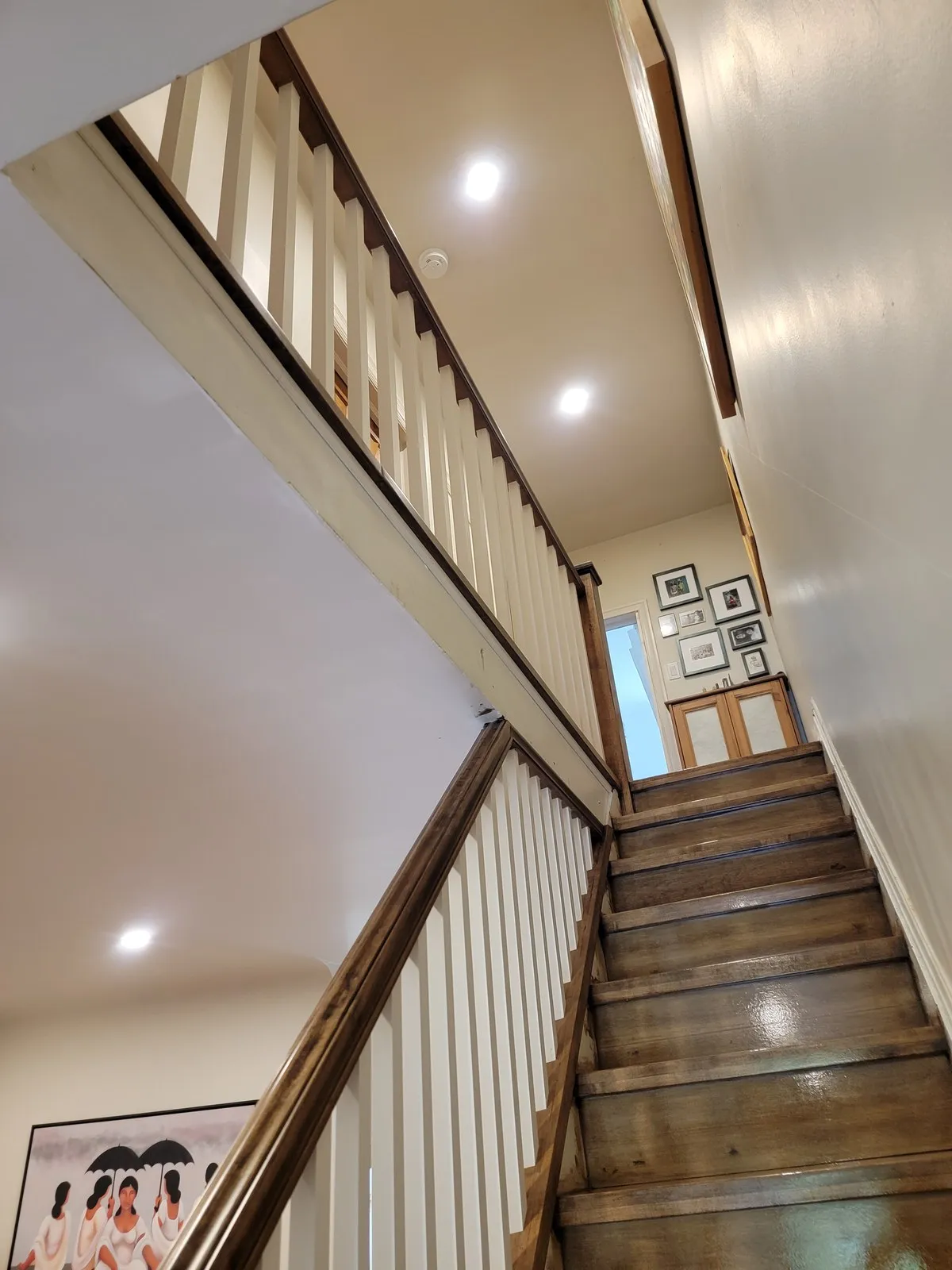
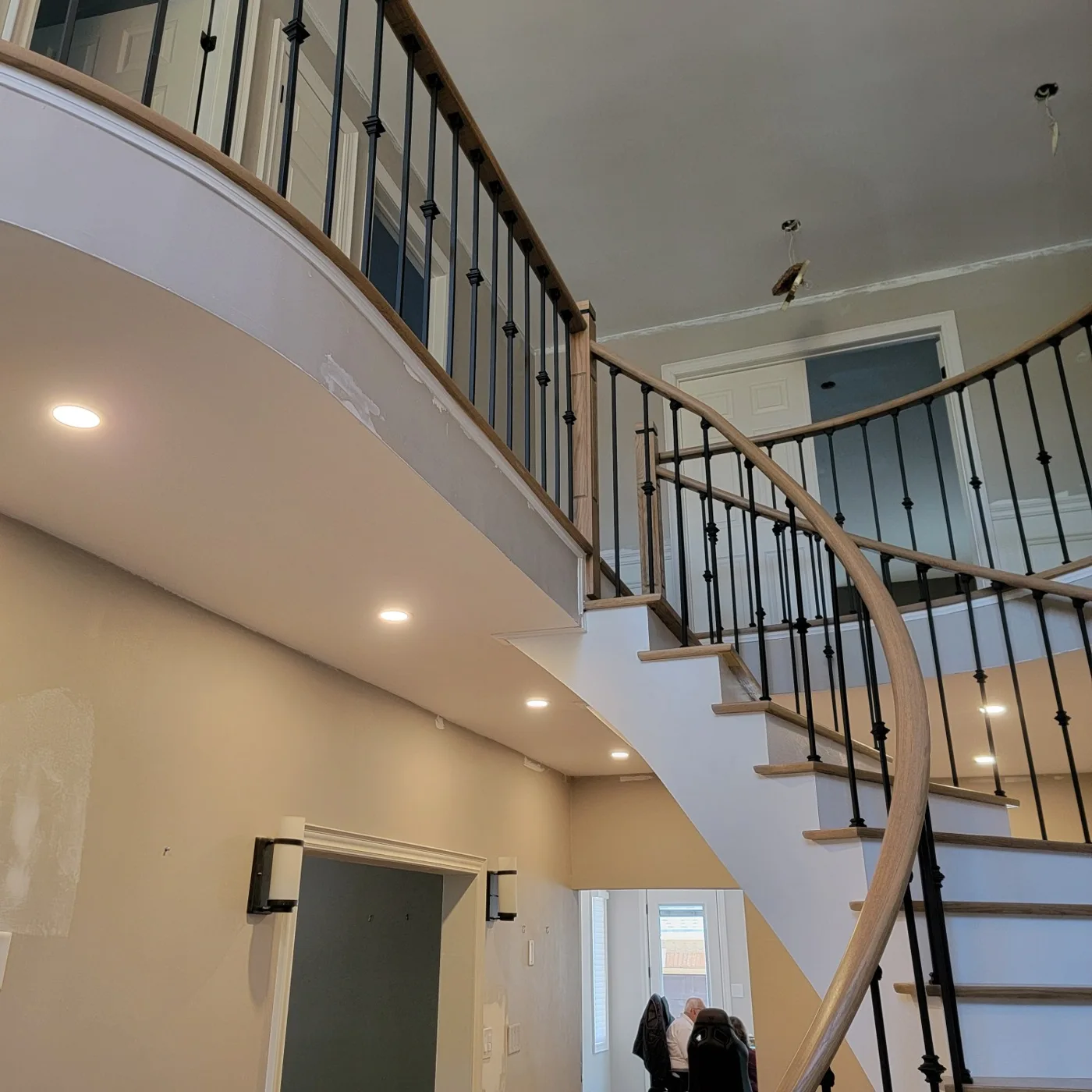
Replacing carpeted stairs with hardwood: what is under the carpet, recapping with new oak treads and risers, and how long the job takes.
Read the guide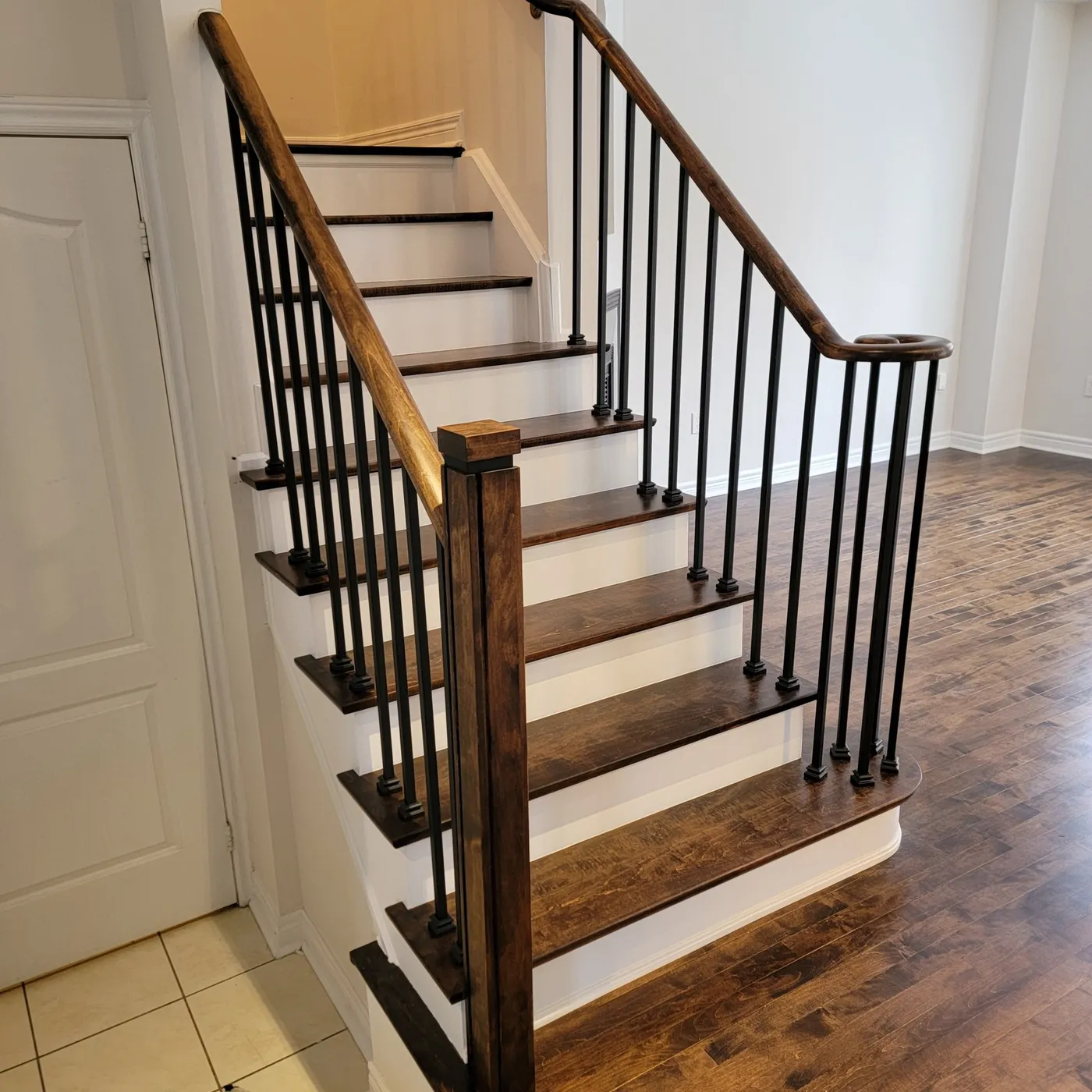
How wood stairs are sanded, stained and finished with polyurethane: colour choices, drying times and how to use the stairs during the work.
Read the guide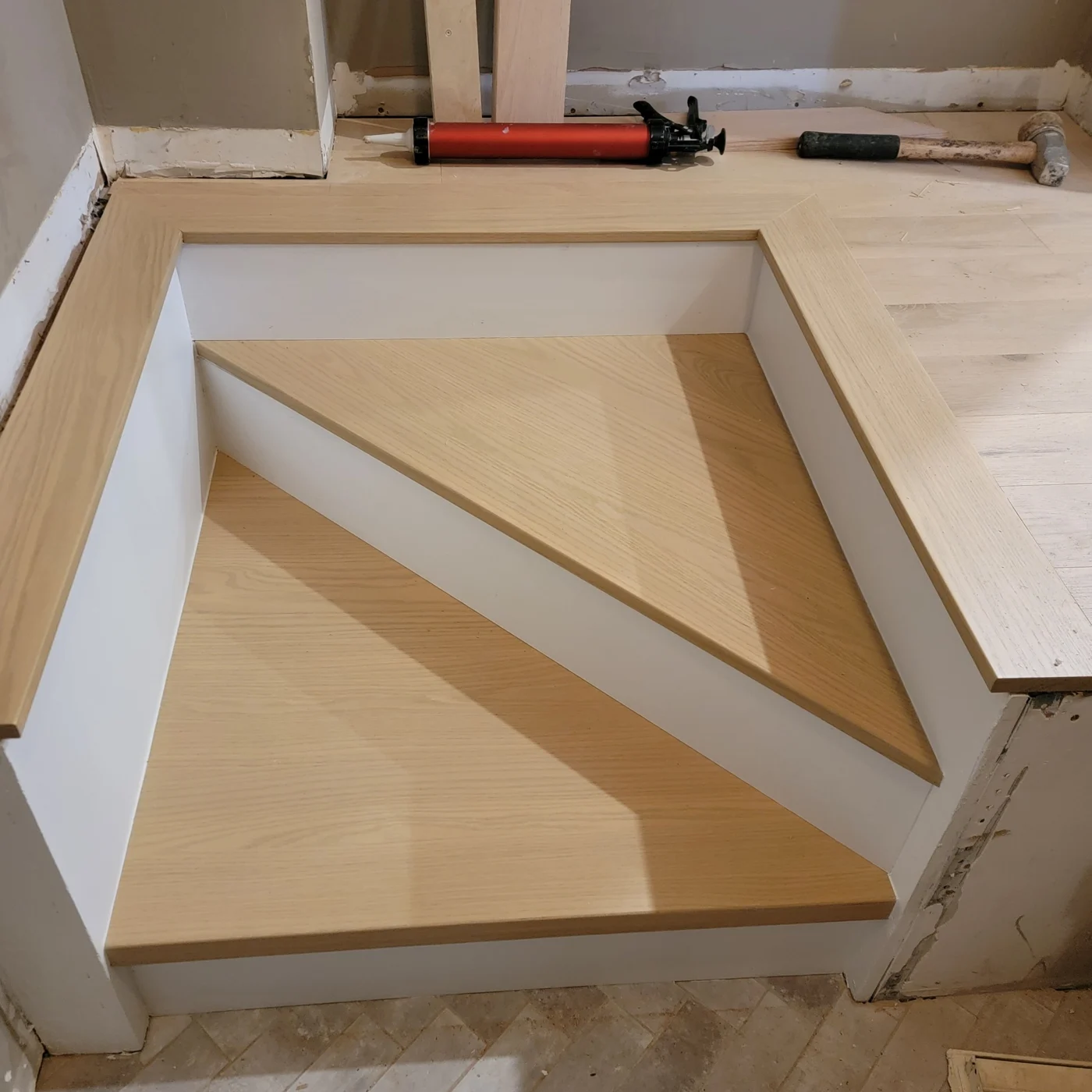
What stair nosings are, flush vs overlap nosings, and how they finish the edge where hardwood, vinyl or laminate meets a staircase or landing.
Read the guide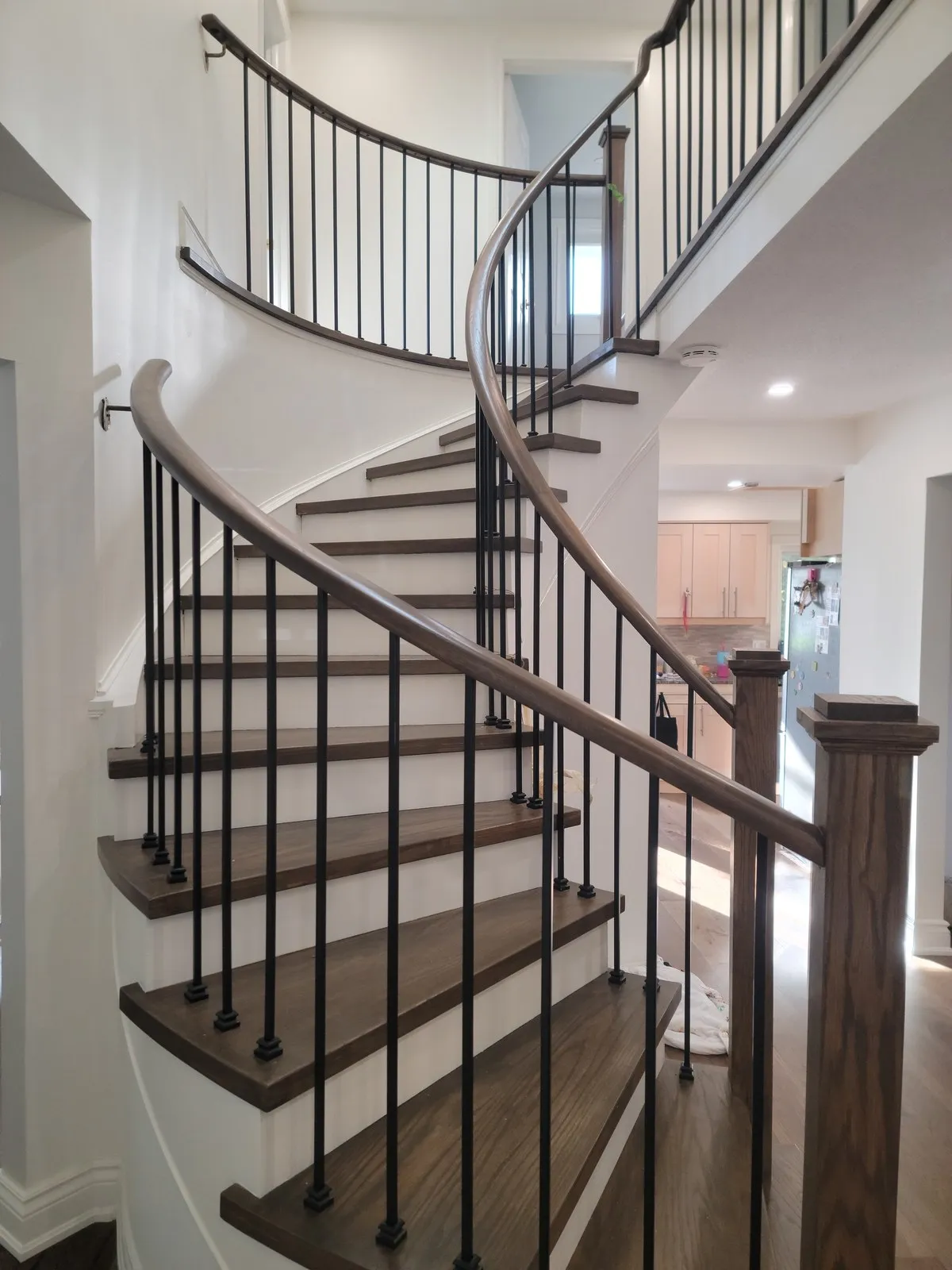
Compare metal (iron) balusters and wood spindles for stair railings: look, cleaning, installation and how each works with stained stairs.
Read the guide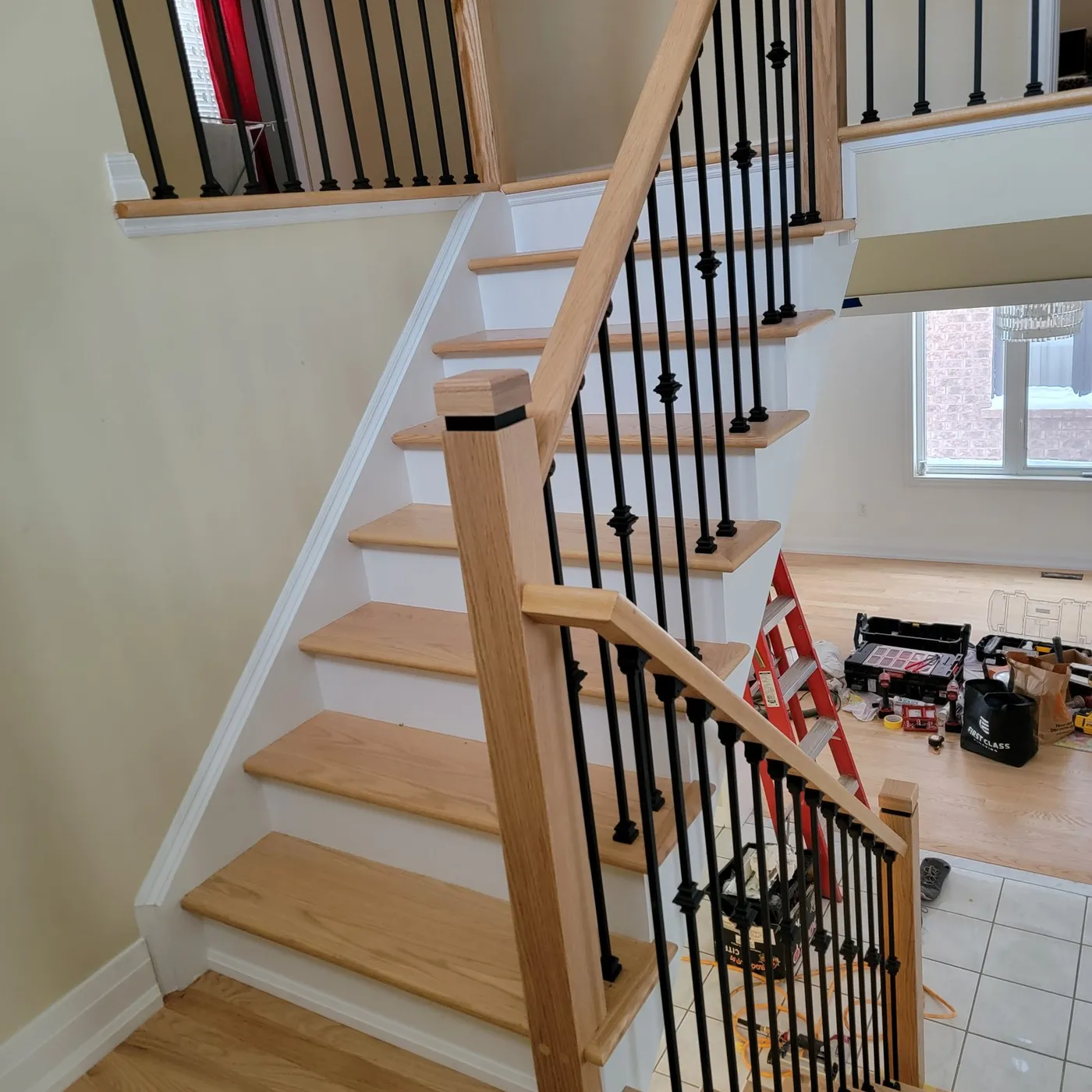
Replacing old newel posts and handrails: secure mounting, Ontario safety rules for guards, and choosing styles that suit your stairs.
Read the guide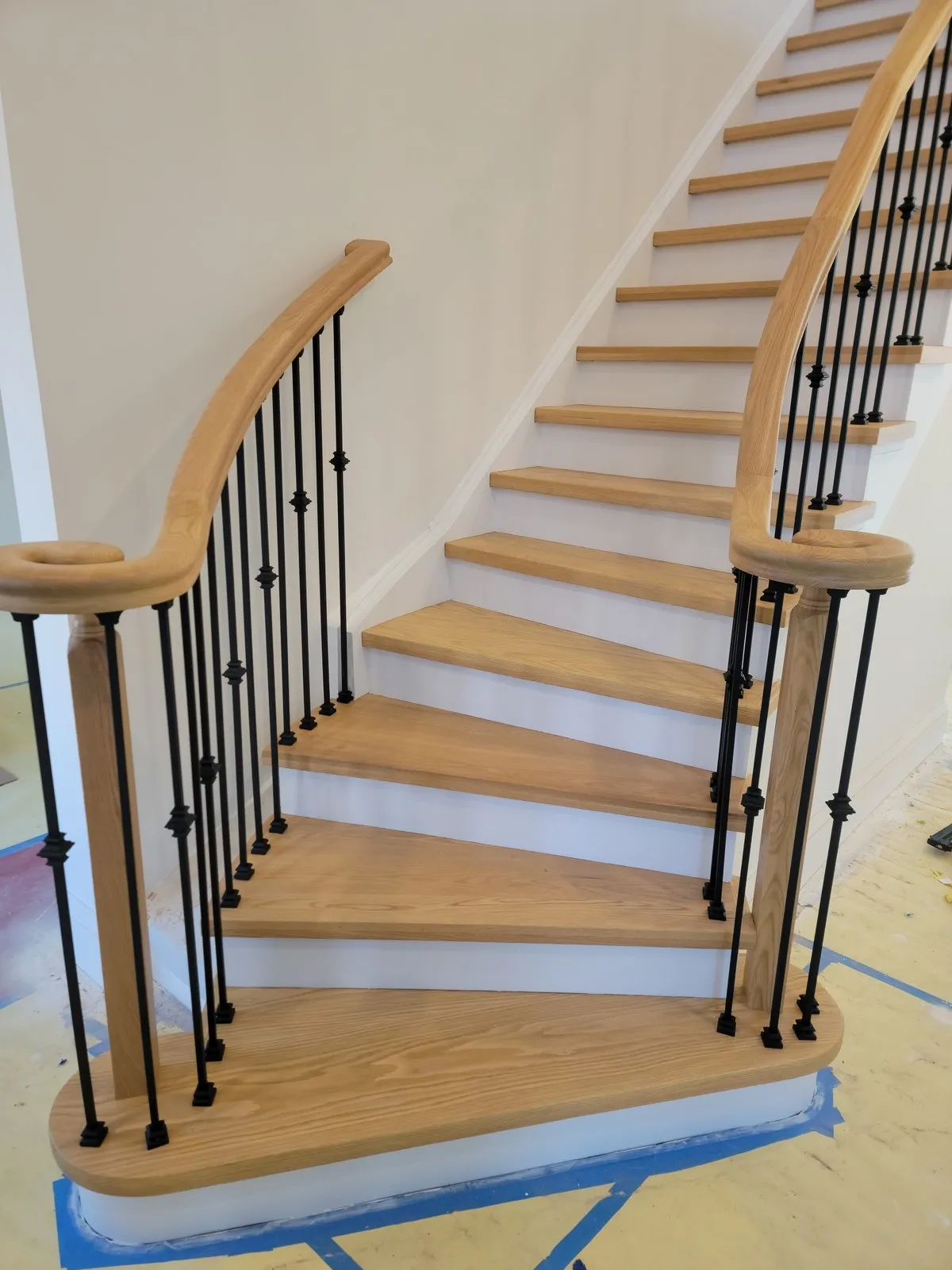
How wood handrails and newel posts are sanded and refinished to match new stairs or floors, and when replacement is the better choice.
Read the guide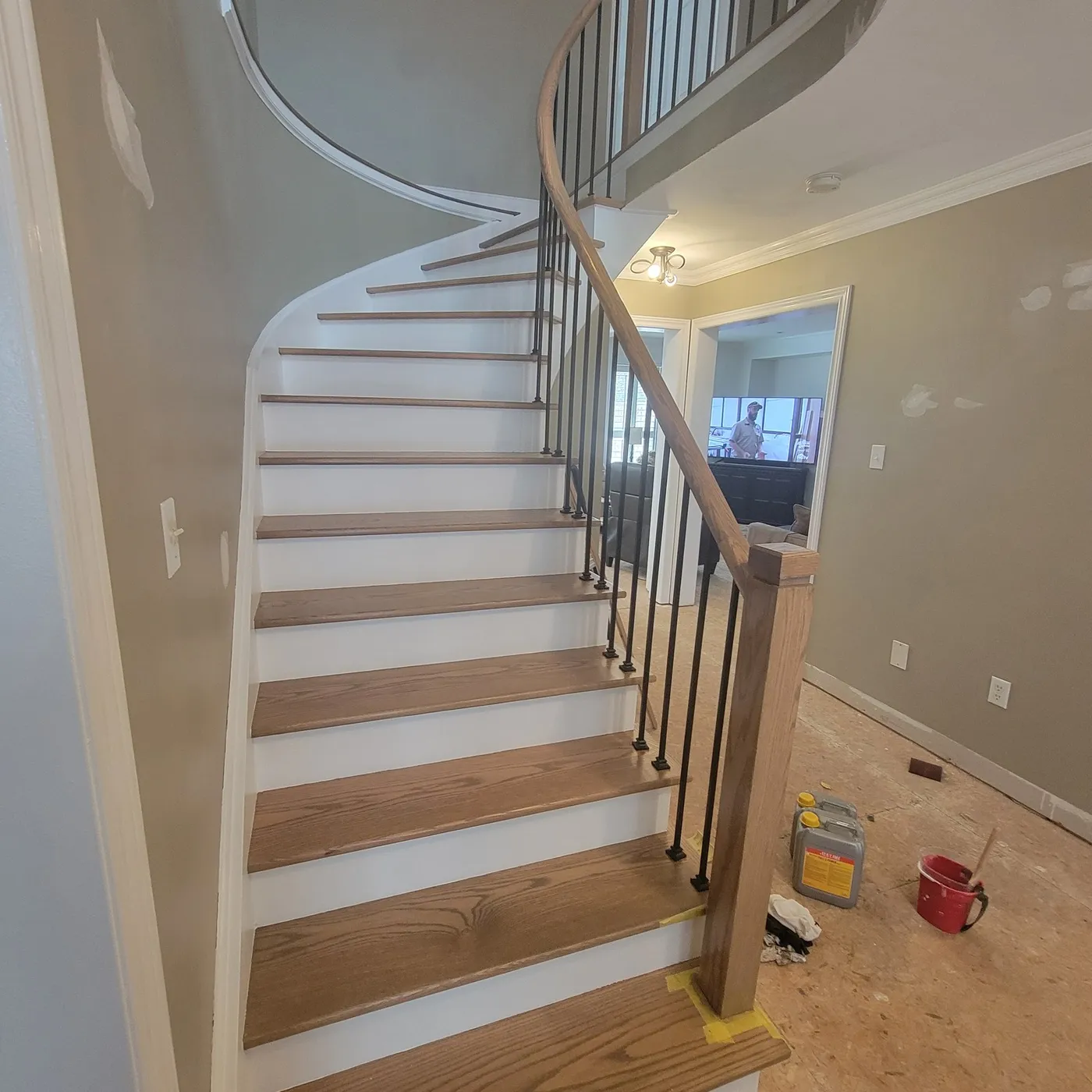
The main factors that change the price of stair refinishing, recapping, railings and repairs, and how to get an accurate estimate.
Read the guide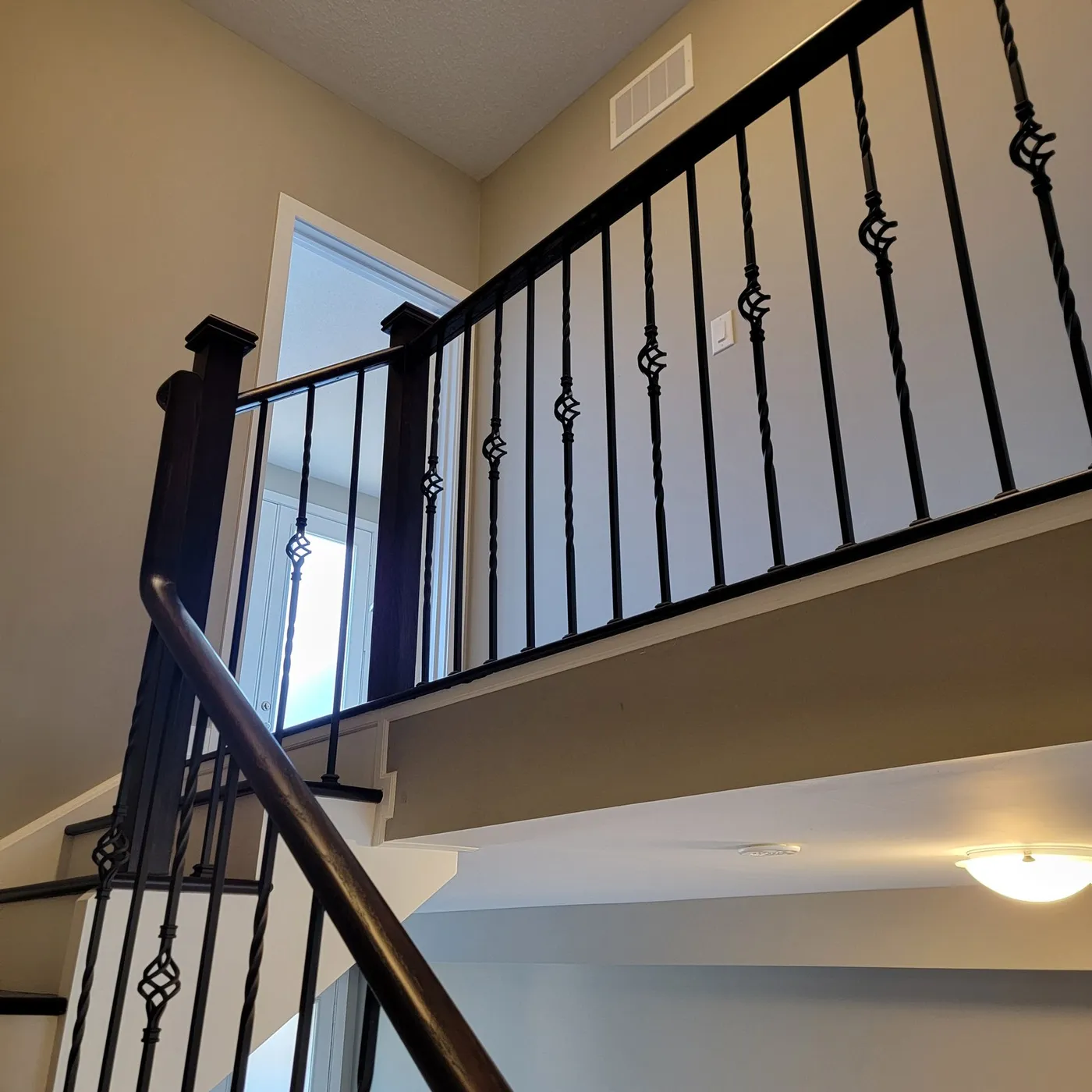
How squeaky steps, loose treads, cracked nosings and wobbly handrails are repaired, including stairs installed by another company.
Read the guide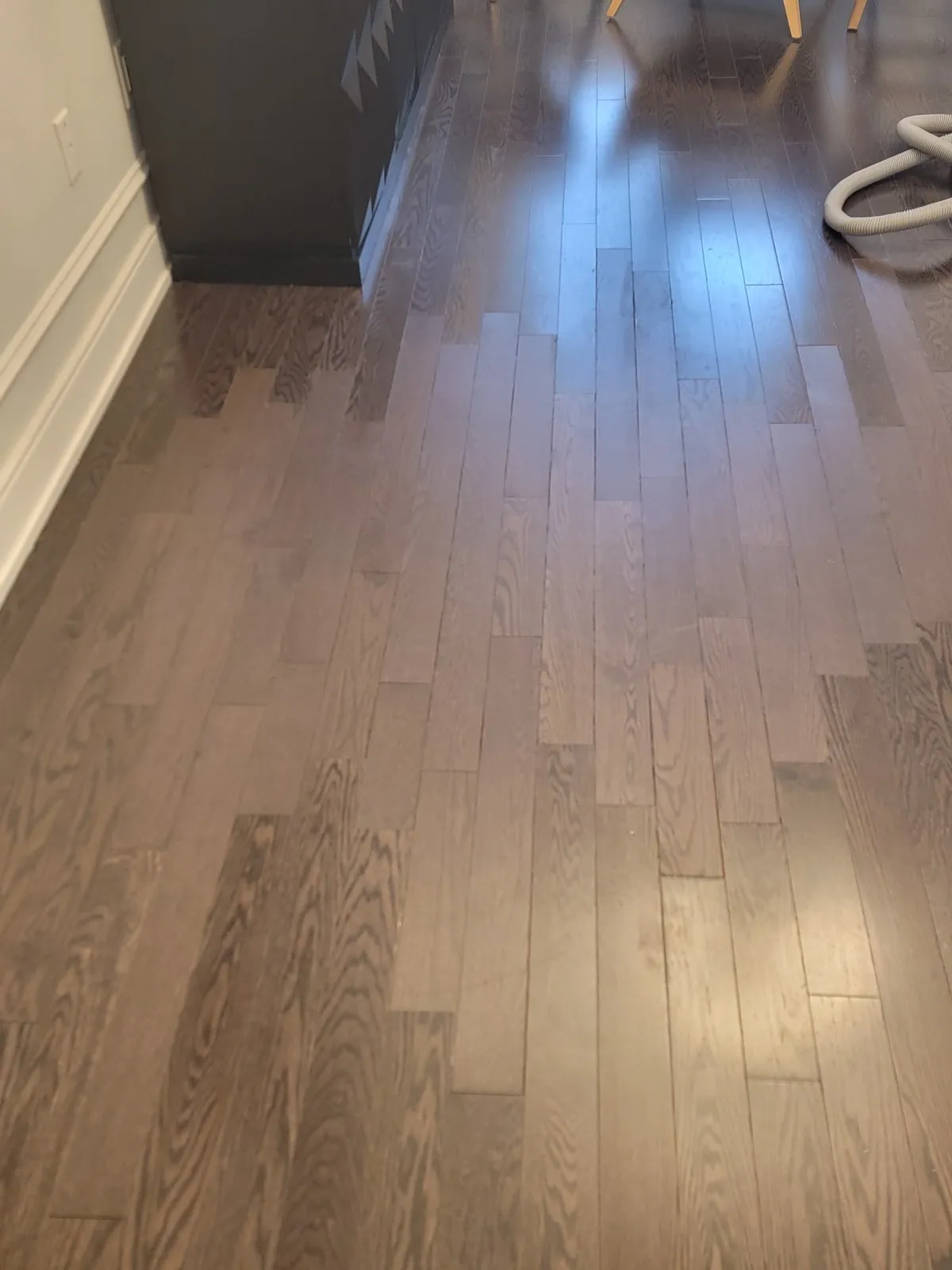
How damaged, water-stained or scratched hardwood boards are replaced and blended in, and how squeaky or loose floors are repaired.
Read the guide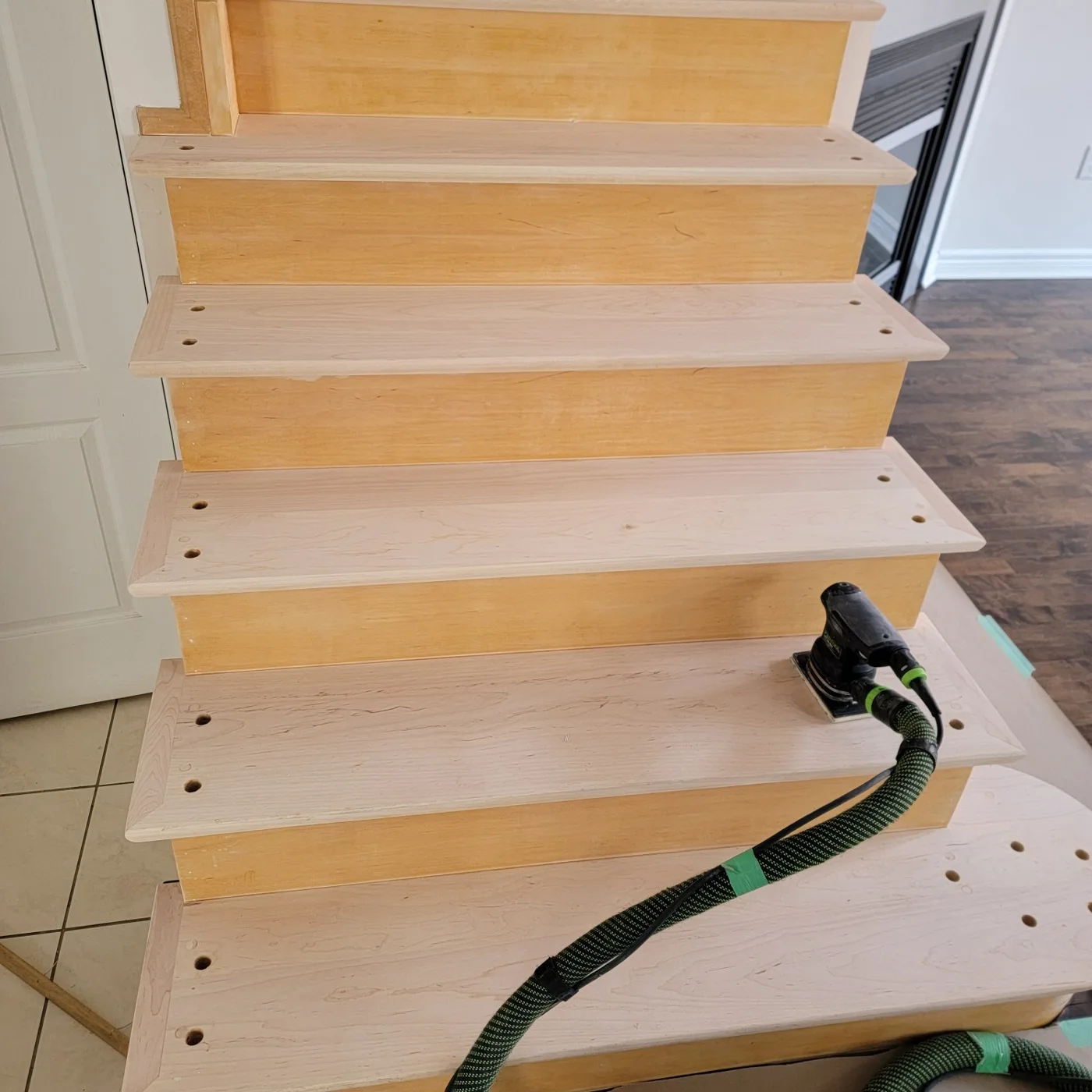
How Festool sanders connected to dust extractors keep stair and floor refinishing almost dust-free, and what that means for your home.
Read the guide